
Concrete Pavers vs Clay Bricks: Honest Side by Side Comparison
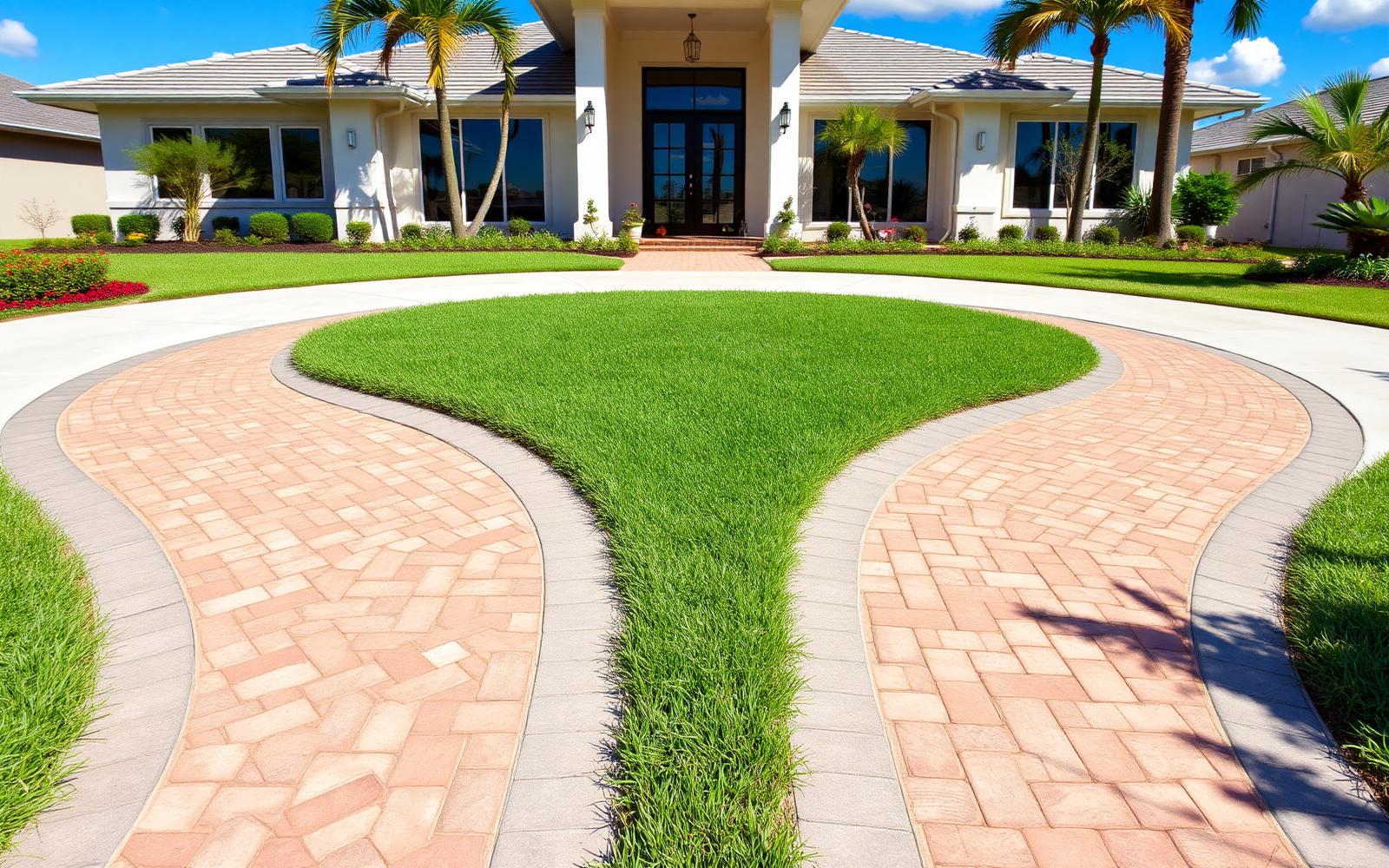
Concrete pavers and clay bricks are the two most installed driveway materials in South Florida. Here is how they actually compare across cost, longevity, looks, and maintenance.
Why this comparison matters
If your front door is the first thing visitors see, your driveway is the second. The choice between concrete pavers and clay brick affects how the whole property reads, how much you spend up front, and how the driveway will look in twenty years.
Both materials are excellent. Both have weak spots. Below is the comparison we walk every client through before they sign a contract.
Cost head to head
In 2026 South Florida, concrete pavers run fourteen to eighteen dollars per square foot installed for premium product lines. Clay brick runs eighteen to twenty four dollars per square foot installed.
On a seven hundred square foot driveway the cost spread is roughly two thousand to four thousand dollars between the two. The base prep, edge restraint, and polymeric joint sand are the same on both materials. The full pricing context is in the South Florida paver driveway cost guide.
Lifespan and aging
Concrete pavers last thirty plus years on a sound base. The color is bonded into the surface and softens slightly over decades, especially on darker tones. Edges stay crisp.
Clay brick lasts fifty plus years on a sound base. The color is throughout the brick body and deepens into a richer patina over time. The edges soften visually but the brick body remains structurally sound.
Look and architectural fit
Concrete pavers fit a wider range of architectural styles. The product range covers everything from tumbled rustic looks to crisp modern slabs. They photograph well in any color tone and pair with most South Florida home styles.
Clay brick reads classic. It is the natural fit on traditional, colonial, craftsman, and Mediterranean revival homes. On contemporary modern white box homes it can fight the architecture.
Maintenance differences
Both materials want the same maintenance routine: an annual rinse and inspection, a polymeric sand refresh every five to seven years, and a full re seal every three to five years. The sealing strategy is in the Florida paver sealing guide and the joint sand routine is in the polymeric sand guide.
Clay brick is slightly harder to stain than concrete because the surface is denser. Concrete is slightly easier to color match for a partial replacement because manufacturers keep colors in production longer than clay producers do.
Repair availability over the long haul
Concrete paver brands like Belgard, Tremron, and Oldcastle keep most colors in production for many years and offer matching service. Replacing a single damaged paver in year ten or fifteen is usually straightforward.
Clay brick from older runs may go out of production or shift slightly in tone between firings. We strongly recommend keeping fifty to one hundred extra bricks in attic stock on every clay install.
Which one to pick
Pick concrete pavers if you want maximum design flexibility, you have a contemporary or transitional home style, and you want the lower entry price.
Pick clay brick if you want a true heritage look, you have a traditional or classic home style, and you are buying for the long term. Either choice is excellent on the right home.
If you are still weighing material, the natural stone alternatives are in travertine versus marble pavers and the broad pavers versus concrete decision is in pavers versus concrete in Florida.
Frequently asked questions
Sealing is recommended for both because it locks out stains, helps polymeric sand stay in place, and slows color fade. We seal every install we do.
Yes. Quality clay paving brick is rated for residential and most light commercial vehicle traffic. We use a thicker brick on heavy duty applications.
Both materials offer huge color ranges. The color trend article at <a href="/articles/paver-color-trends-florida-2026">paver color trends 2026</a> walks through what is selling now in South Florida.
Get a free quote from Bedrock.
Residential and commercial. Licensed, bonded, insured.