
Polymeric Sand vs Regular Sand for Pavers: What Florida Crews Actually Use
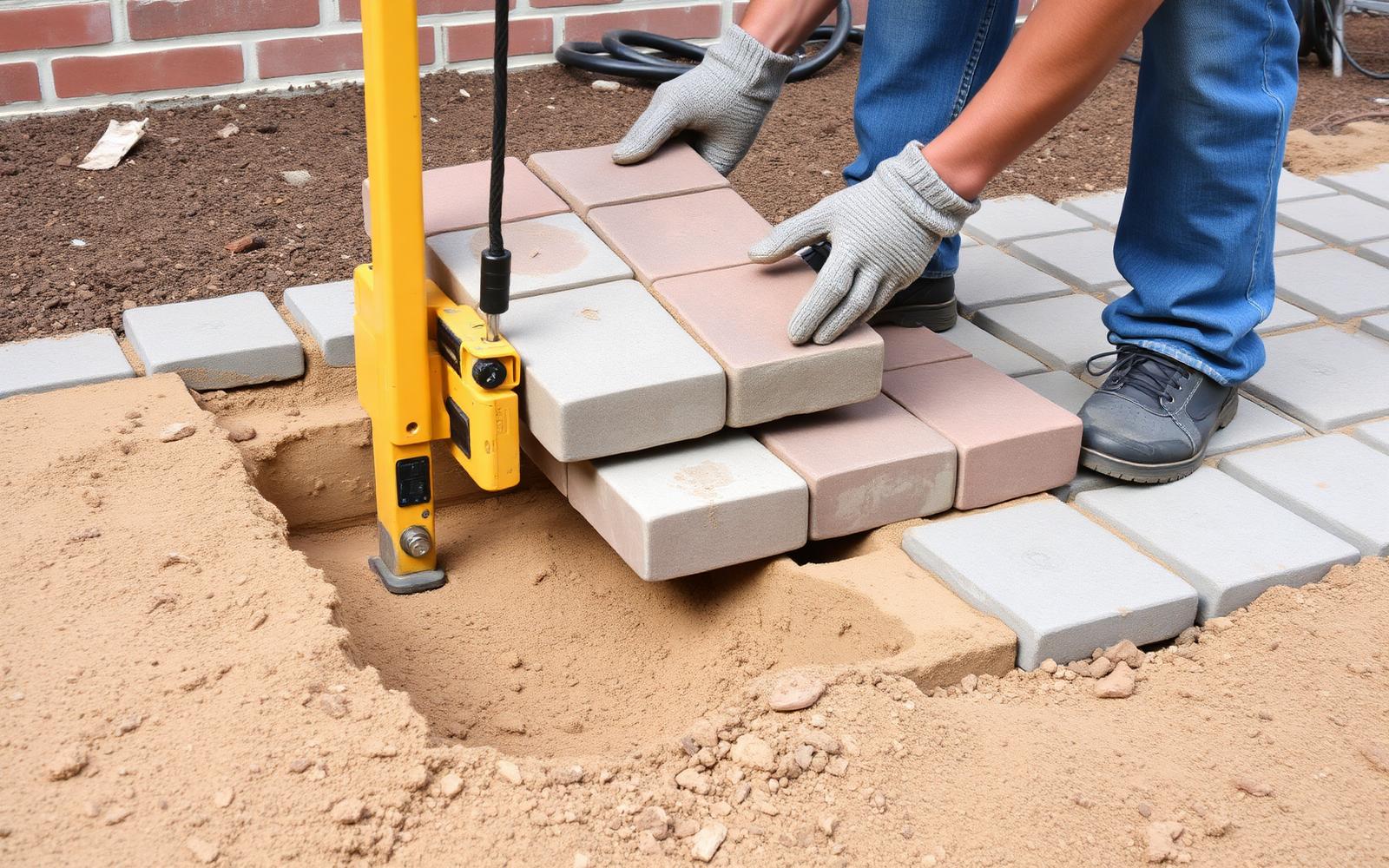
Joint sand is the cheapest part of a paver driveway and the part that fails first when the wrong product gets used. Here is what we put in the joints, and why it matters in the Florida climate.
What goes in the joints, and why it matters
Most homeowners think the pavers are the structure of a driveway. They are not. The structure is the base under the pavers and the sand between them. When the joint sand washes out or breaks down, the whole field starts to move, and within a season or two you have rocking stones, weeds in every line, and ants pushing little volcanos up between your tires.
South Florida adds extra pressure to all of that. Rain falls in sheets, not drizzles. Sprinklers run almost daily. Salt spray creeps in along the coast. Heat softens anything petroleum based. So the joint sand we choose has to survive water, sun, traffic, and time, while still letting the field flex a little when the ground moves.
Regular silica sand: cheap, fast, and short lived
Regular silica sand is the standard washed masonry sand you can buy at any landscape yard. It costs almost nothing, sweeps in easily, and locks the pavers together for the first big rain. After that, every storm and every pressure wash carries a little of it away. In Florida, expect to be re-sanding a silica jointed driveway every six to nine months if you want the joints to stay full.
The bigger problem is what fills the joints when the sand is gone. Dirt, organic matter, and weed seeds pack in. Once weeds take hold the roots open the joint wider, the next storm flushes more sand, and the sinking starts. If you are wondering why your previous driveway looked tired so quickly, this is usually the reason. We talk through the long term cost picture in the South Florida paver pricing breakdown.
Polymeric sand: the modern standard
Polymeric sand is silica sand pre mixed with a polymer binder. You sweep it into the joints dry, then mist it with water in stages. The polymer activates, the sand grains bond into each other, and the joint becomes a flexible solid that resists wash out, weeds, ants, and most pressure washing.
Done correctly it lasts five to seven years before it needs a touch up, and even then you are usually only refreshing high traffic spots. Done incorrectly it hazes the paver surface, leaves white film along the joint edge, or fails to bind at all. The difference is almost always the installer, not the bag. Skipping cure time before the first sprinkler cycle is the most common failure we see.
We use polymeric sand on every driveway and pool deck install we do. It is the cheapest insurance policy on the project. For more on what makes a paver field actually last in Florida, see the long view in pavers versus concrete in Florida.
Where polymeric sand is the wrong choice
Permeable paver systems use a totally different joint material. Open graded angular stone, usually a number eight or number nine chip, fills the wider joints and lets water flow through. Polymeric sand would seal the system and defeat the entire drainage design. If your driveway has to manage stormwater on site, you want the chip, not the binder. We dig deeper into that in the Florida drainage and permeable paver guide.
Travertine pool decks with very tight joints sometimes get a finer grout style joint instead of polymeric, especially around saltwater pools. Salt is brutal on polymer binders over time. We pick the joint product based on the chemistry around it, not by habit.
How to tell if your current joints have failed
Walk the driveway after a heavy rain. If you see streaks of sand washed across the surface, your joints are bleeding. If you see weeds in more than a handful of joints, the binder is gone. If a single paver rocks under your foot, the bedding sand under it has migrated through a failing joint.
Catch this early and the fix is small. We sweep out the loose top inch of joint material, vacuum the dust, install fresh polymeric sand, and activate it the same day. Catch it late and you are also re leveling sunken stones. The full process for that case is in the guide on fixing a sunken paver driveway.
Choosing a color and a brand
Polymeric sand comes in tan, beige, gray, and near black. Tan and beige hide dirt and look natural with travertine and warm toned concrete pavers. Gray and charcoal sharpen the look of modern paver patterns and pair well with cooler stones. We bring samples to every consult so you are not guessing.
On brand, we have had consistent results with Techniseal NextGel, Alliance G2, and SRW Products. We avoid the bargain blends sold in big box stores. The price difference is twenty dollars per bag and the failure rate difference is enormous.
Frequently asked questions
Yes, as long as the existing joints are clean and dry. We pressure wash the joints, allow forty eight hours of dry time, then install fresh polymeric sand and activate it. Skipping the cleaning step traps dirt under the new layer and the binder will not lock.
Foot traffic in twenty four hours, vehicle traffic in forty eight to seventy two hours depending on humidity. Sprinklers stay off for the first seventy two hours so the binder can fully cure.
It blocks new seeds from rooting in the joint, which kills the main weed pathway. Wind blown seeds can still germinate on top, so a quick spray of vinegar based weed killer twice a year keeps the field clean.
Get a free quote from Bedrock.
Residential and commercial. Licensed, bonded, insured.