
Travertine vs Marble Pavers in Florida: Which Stone Belongs on Your Driveway
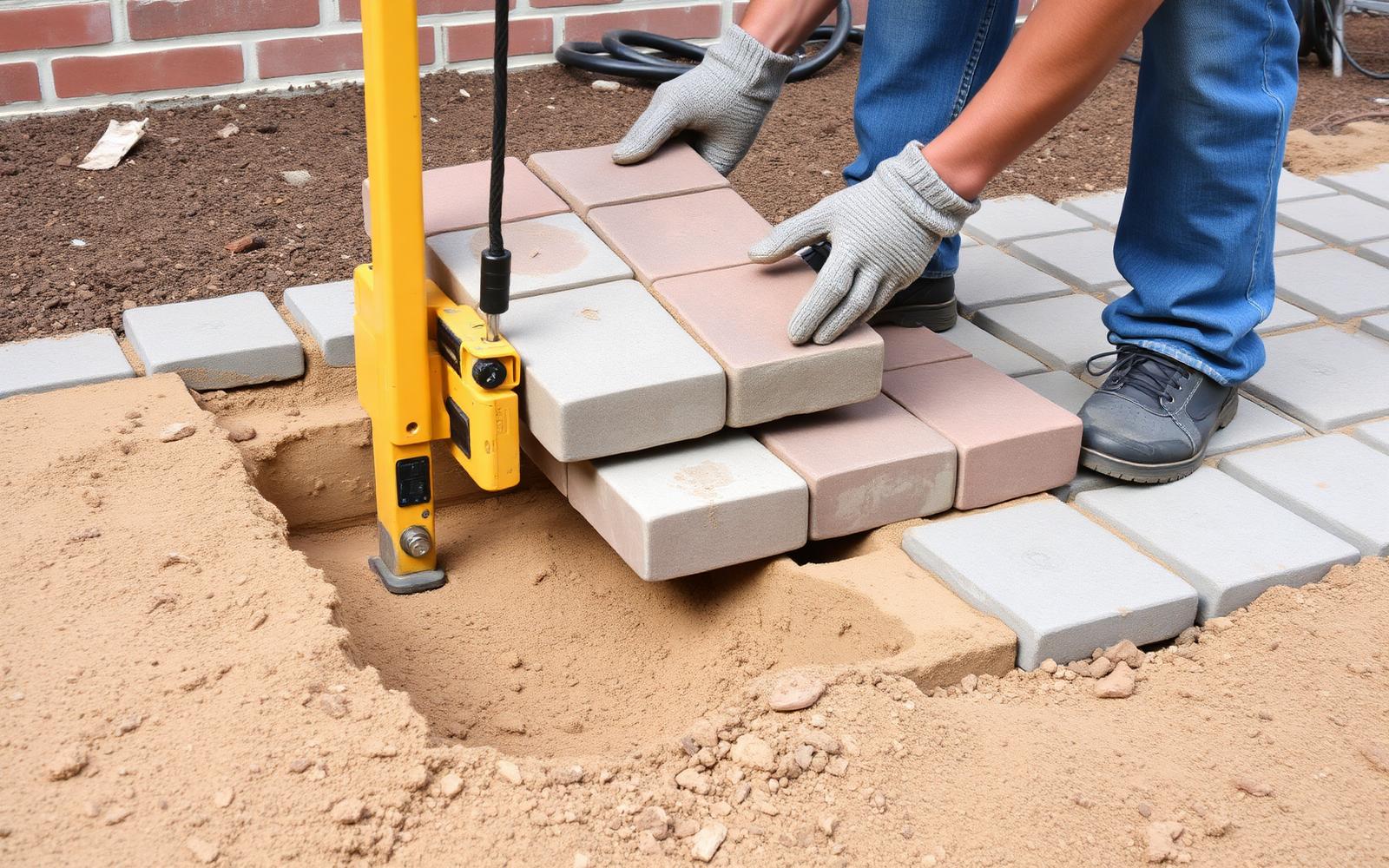
Travertine and marble both look stunning around a Florida home, but they behave very differently under sun, rain, salt, and tire weight. Here is how we pick between them on real projects.
Two stones that look similar and act totally different
Walk into any high end South Florida home and you will see travertine or marble somewhere on the property. Around pools, on patios, occasionally on the front entry. They photograph similarly, they price similarly, and clients often ask us which one to put on the driveway. The answer depends on traffic load, how you feel about patina, and how much maintenance you want to sign up for.
We install both. We also turn down both for the wrong project. The honest comparison below comes from years of pulling stones up and putting better ones down.
Travertine in plain English
Travertine is a sedimentary limestone formed in mineral springs. It has natural pores, a soft warm color range from ivory to walnut, and a textured surface that stays cool underfoot even at noon in July. It is the most popular pool deck stone in Florida for good reason.
On driveways it works well in the standard French pattern with the cut sizes filled and honed. The pores want to be filled before sealing, otherwise tire marks and dropped oil settle in and stain. Sealed properly it shrugs off rain and salt for years.
Travertine is softer than granite or marble, which is a feature on a pool deck because it grips wet feet, and a small drawback on a driveway because heavy delivery trucks can chip a corner. We mitigate that with a thicker stone, usually one and a quarter inches for driveways.
Marble in plain English
Marble is metamorphic limestone, denser and harder than travertine. It comes in cooler tones, often white with gray veining, and finishes range from polished to honed to brushed. On a Florida driveway we only specify honed or brushed marble. Polished marble in any outdoor setting is a slip hazard the first time it rains and the first time someone drops sunscreen.
Marble holds an edge much better than travertine under vehicle traffic. The trade off is heat. White marble in direct sun is bright enough to make you squint, and the surface temperature climbs faster than travertine. It also stains more dramatically when something acidic lands on it. A spilled lemon La Croix can etch a visible mark within an hour if the seal is worn.
Cost, side by side
Travertine driveways in South Florida run twenty two to twenty eight dollars per square foot installed in 2026, with most jobs landing around twenty four. Marble runs twenty six to thirty four dollars per square foot installed, with most jobs around thirty.
Both prices include base prep, edge restraint, polymeric or fine joint sand, sealing, and permits. The full pricing context is in the South Florida paver driveway cost guide. If your budget is closer to fifteen dollars a foot, concrete pavers are the smart move and you can revisit travertine for the patio later.
Maintenance reality check
Travertine wants a fresh sealer every two to three years. Without it the pores start picking up tire stains and the color goes flat. With it the stone keeps that warm glow for decades. Our sealing approach is detailed in the Florida paver sealing guide.
Marble is similar on the seal cycle but punishes neglect harder. Once an etch sets in, removing it is a polishing job, not a wipe down. If you have kids who dump sports drinks on the driveway, or you use the front pad as your salt water fish cleaning station, marble will show every accident.
Travertine wins the easy maintenance contest. Marble wins the curb appeal photo every time it is fresh. Pick the stone you want to live with, not the one that wins the listing photo.
Which one belongs on your driveway
Choose travertine if you want warm coastal aesthetics, the stone is staying cool under bare feet across the matching pool deck, and you accept a sealing cycle every couple of years. Choose marble if you want cool modern aesthetics, you have heavy daily traffic from full size SUVs, and you are comfortable with a stricter cleaning routine.
If you want the look of stone without any of these tradeoffs, premium concrete pavers from Belgard, Tremron, or Oldcastle now imitate both convincingly. We compare those options in the article on brick and concrete paver buyers guide.
Frequently asked questions
Honed marble at one and a quarter inch thickness on a properly compacted base handles full size pickup trucks and SUVs without issue. Cracking comes from base failure, not stone failure. We size base depth to traffic on every job.
You can, and people do, but the visual transition is harder than it looks. We usually recommend matching the stone family across the entire property and varying the pattern instead.
Humidity itself does not damage either stone. Humidity plus organic debris like leaves can grow surface mildew, which is why annual rinsing and a fresh sealer on schedule are non negotiable.
Get a free quote from Bedrock.
Residential and commercial. Licensed, bonded, insured.