Brick Pavers Buyers Guide: Clay Brick, Concrete Brick, and What to Pick
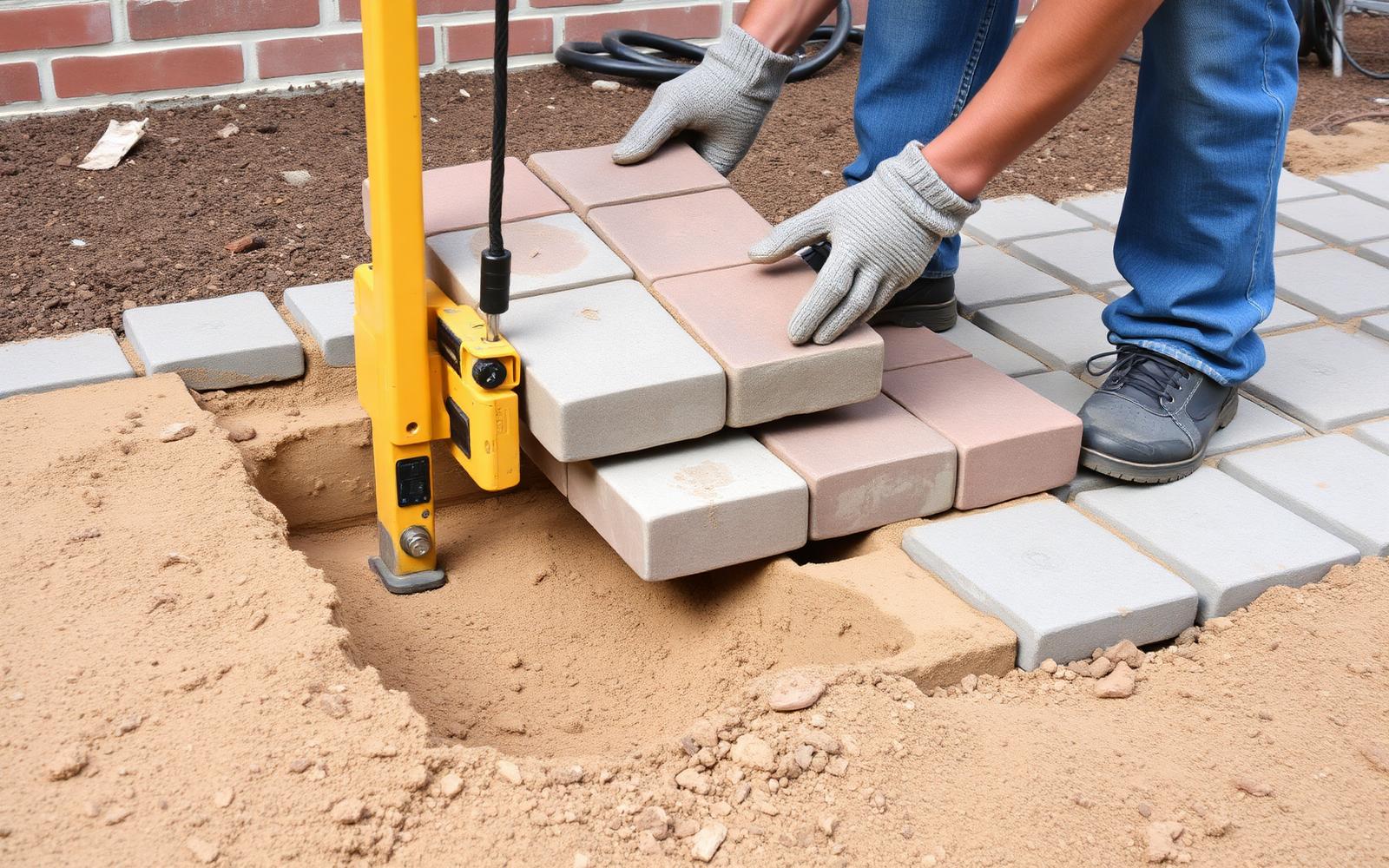
Brick pavers split into clay and concrete and they age completely differently. Here is what you are actually choosing and what each one costs in South Florida.
Two products that share a name
When a homeowner says brick paver they could mean true clay brick fired in a kiln or concrete brick poured in a mold and tinted to look like clay. Both are sold widely in South Florida. They photograph similarly and they live very different lives once installed.
We install both. The choice usually comes down to budget, maintenance preference, and the architectural style of the home.
Clay brick pavers in plain English
Clay brick is fired earth, color all the way through, dense and long lasting. The reds, oranges, and browns deepen with age in a way concrete cannot imitate. Top tier brands like Pine Hall and Endicott carry hundred year warranties on the brick itself.
Clay holds color, resists fading under UV, and develops a soft patina that reads timeless on traditional and craftsman style homes. The drawback is cost. Expect eighteen to twenty four dollars per square foot installed in South Florida in 2026.
Concrete brick pavers in plain English
Concrete brick is poured concrete pressed into brick shapes and tinted at the surface or through the mix. Premium manufacturers like Belgard, Tremron, and Oldcastle offer concrete brick lines that look great at install and remain attractive for many years.
The color is bonded into the surface layer. Over decades the surface tone fades slightly, especially on darker colors. The base shape and edges hold up beautifully. Cost runs fourteen to eighteen dollars per square foot installed.
How they handle the Florida climate
Clay brick handles UV and humidity well, with minimal color shift over decades. Salt exposure is also fine on clay because the mineral content does not interact poorly with airborne salts.
Concrete brick handles UV reasonably well, with some color softening over twenty years. Salt exposure is fine when sealed on schedule. Both products require the same attention to base prep, joint sand, and edge restraint as any other paver. The base prep specifics are in the Florida base prep guide.
Patterns that look right on a Florida home
Herringbone is the classic brick pattern and the strongest under vehicle traffic. The interlocking weave distributes load across many bricks at once. We use forty five degree herringbone on most brick driveways for this reason.
Running bond is the simplest pattern and reads casual. Basket weave is decorative and best on patios rather than driveways. Soldier course borders frame the field cleanly and add a finished look without much extra cost.
Repair and replacement reality
Both clay and concrete brick can be lifted and replaced individually if a single piece chips or stains. Clay brick from older runs may not be available decades later, so we always keep a small attic stock of original product on every install.
Concrete brick replacement availability is excellent. Premium manufacturers keep colors in production for many years and offer matching service for older installs. The full cost picture for repair is in fixing a sunken paver driveway.
Which one to pick
Pick clay brick if you want maximum longevity, you love the deep tones that come with age, and your budget supports the higher unit cost. Pick concrete brick if you want strong value, broad color choice, and a faster project timeline.
If you cannot decide between brick and concrete pavers in general, the comparison and color trends are in the 2026 paver color trends article and the travertine versus marble guide covers the natural stone alternative.
Frequently asked questions
Yes. Both clay and concrete brick run warmer than light travertine and similar to standard concrete. Lighter brick tones stay cooler than dark.
Yes, with intentional design. We usually run a unifying border around both surfaces in the same brick to tie the project together.
Clay brick lasts fifty plus years on a sound base. Concrete brick lasts thirty plus years. Both depend almost entirely on base prep and joint maintenance.
Get a free quote from Bedrock.
Residential and commercial. Licensed, bonded, insured.