
Hurricane Damage to Driveways: Inspection and Repair Playbook
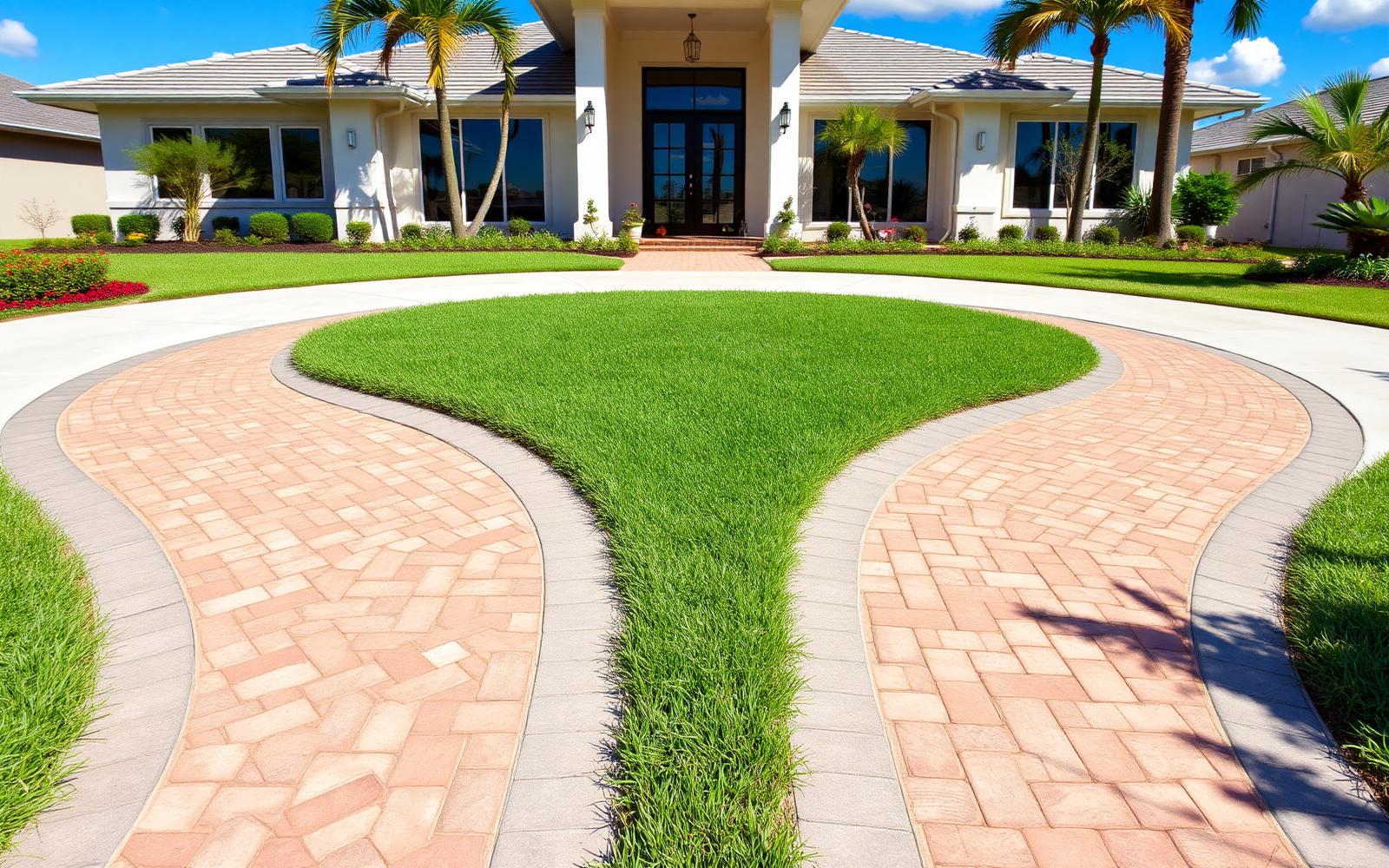
After a major South Florida storm your driveway may have damage you cannot see at first glance. Here is the post storm inspection and repair process we walk every client through.
What hurricanes do to hardscape
Hurricanes hit driveways with three forces at once: hurricane wind driven rain that erodes joint sand, storm surge that can submerge the field in salt water, and flying debris that chips and cracks pavers and concrete on impact.
The damage from rain and debris is usually visible within hours. The damage from salt water exposure shows up later as accelerated wear and joint failure. Both deserve a real inspection within a week of the storm passing.
Forty eight hour rinse rule
If your driveway took standing salt water during the storm, fresh water rinse the entire field within forty eight hours. The rinse flushes salt deposits before they cure into the surface.
Do not wait until the lawn dries out. The salt is doing damage every hour it sits. A garden hose pass takes ten minutes and saves a re sealing job that could cost ten times more if the salt is allowed to set. The full coastal protection routine is in the coastal driveway protection guide.
Visible damage to look for
Walk the driveway slowly. Look for chipped paver edges from debris impact, cracks in concrete that were not there before, missing or shifted pavers, and joint sand that has obviously washed out.
Check the perimeter for edge restraint that may have lifted or shifted. Storm surge can float restraint that was set into wet sand.
Look at drainage paths. Storm rain can carve channels that did not exist before. If water is now flowing toward the house instead of away from it, the grade has changed and needs correction.
Hidden damage to consider
Standing water during a long rain event can erode bedding sand from underneath the pavers, creating voids that show up as sunken stones weeks later. The repair process for those is in fixing a sunken paver driveway.
Salt exposure can degrade polymeric sand binders even after the surface looks dry. A re sand may be needed within months of a major storm even if the field looks fine right after.
Concrete driveways can develop new cracks weeks after the storm as the slab settles back from saturation. Inspect again at thirty days and at ninety days.
Quick repairs to do within the first week
Replace any obviously chipped or broken pavers if you have attic stock. We keep replacement pavers from each install for exactly this purpose.
Top off any joints that show visible sand loss. A small bag of polymeric sand and a hose can stabilize the field while you schedule a full re sanding if needed.
Reset any pavers that have shifted. Lift, re bed in fresh sand, and reset to grade.
When to call a professional
If multiple pavers shifted or sank, if concrete cracked across multiple areas, if drainage paths changed, or if the field took standing salt water for more than a few hours, schedule a professional assessment within a week. We document the damage with photos for insurance claims and we provide written repair scope.
Insurance often covers storm related driveway damage as part of homeowners coverage. Documentation helps. Receipts from a professional inspection and repair are far more useful than a phone snapshot from the homeowner.
Pre storm preparation
Before a named storm we recommend rinsing the driveway, removing landscape lighting and decor that could become projectiles, clearing leaf debris that could clog drainage points, and making sure your edge restraint is in good condition.
Long term, building the driveway with a deeper base and proper drainage from the start makes storm recovery dramatically easier. The base spec is in the Florida base prep guide and the drainage logic is in the paver drainage guide.
Frequently asked questions
Sometimes. Saturated soil under the base can compress slightly as it dries. Any settling usually shows up within a few months. A full re inspection at the ninety day mark catches it early.
No. Manufacturer warranties cover material defects, not weather events. Insurance usually covers the repair.
Wait until the surface and joints are fully dry and any rinse has been completed. Usually one to two weeks after a major event, depending on weather.
Get a free quote from Bedrock.
Residential and commercial. Licensed, bonded, insured.