
Best Time of Year to Install a Driveway in South Florida
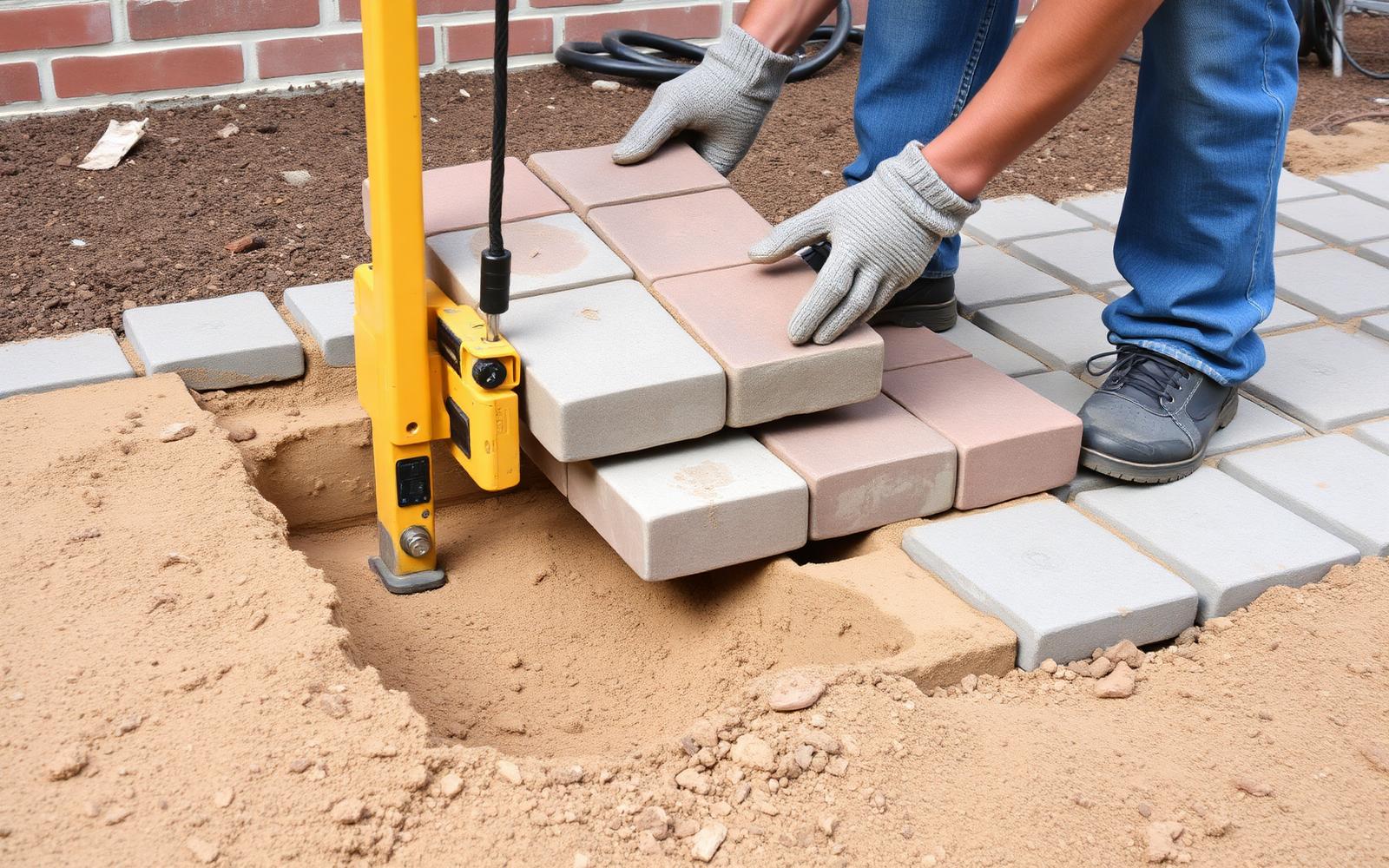
Dry season vs. rainy season, hurricane window, contractor backlog — when to schedule your driveway install for the smoothest project.
Dry season is the sweet spot
November through April is South Florida's dry season — low humidity, predictable weather, and no afternoon thunderstorms washing out fresh polymeric sand. This is when concrete cures cleanest and paver joints set right the first time.
The trade-off: every paver contractor in Miami-Dade and Broward is booked. Lead times stretch to 4–8 weeks. Book in October if you want a January start.
Rainy season pros and cons
May through October has shorter lead times and sometimes better pricing as crews fight to stay busy. Modern polymeric sands and rapid-set concrete mixes handle short showers, and experienced crews work morning-only schedules to dodge afternoon storms.
What you avoid: hurricane warnings in August–September can pause a project mid-install. We always pre-stage materials and tarp prep areas, but a major storm adds days. Hurricane prep for driveways.
What never works
Pouring concrete the day a tropical system is in the Gulf. Setting polymeric sand right before a forecasted downpour. Sealing pavers in 95% humidity. A good contractor watches the radar and reschedules — a bad one pours anyway and you pay for it later.
Reach out and we'll quote with a realistic install window based on the current season.
Frequently asked questions
Yes — crews work morning shifts, tarp aggressively, and use polymeric sands that tolerate light moisture. Heavy storm days are rescheduled.
4–8 weeks in dry season (Nov–Apr), 2–4 weeks in rainy season. Permits add 1–3 weeks depending on municipality.
Rarely. Even winter lows in South Florida stay above the 40°F threshold for standard concrete cure. We adjust the mix on the rare cold snap.
Get a free quote from Bedrock.
Residential and commercial. Licensed, bonded, insured.